
Comparing Ferragamo’s Range of Bag Sizes: Pinning Down Your Perfect Fit
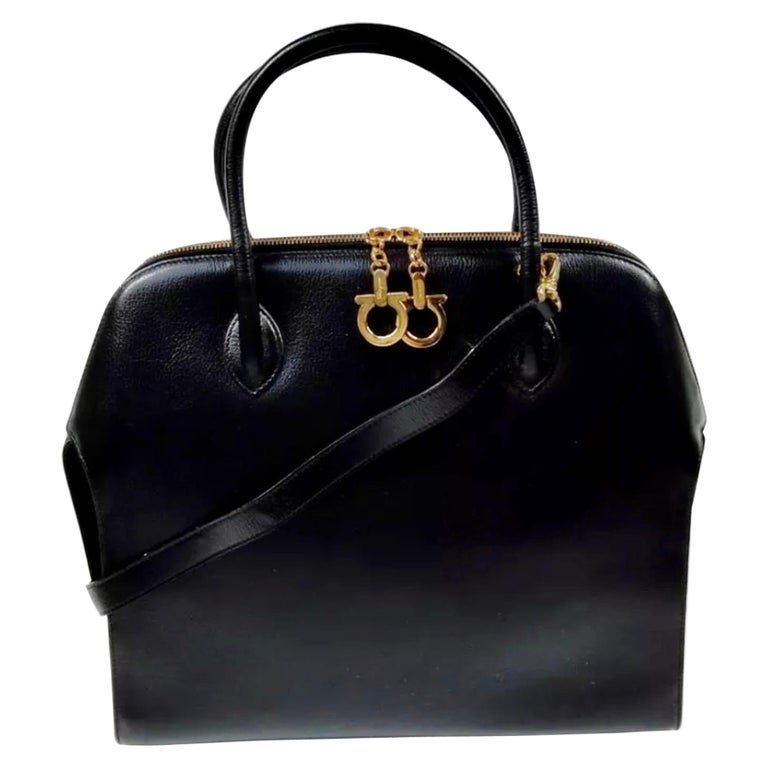
When you shop a house like Salvatore Ferragamo, picking a bag size can be trickier than picking a silhouette, since shapes span compact top-handles to roomy totes built for everyday use. Owning a Ferragamo bag means owning an investment piece, so dialing in the right scale matters more than it would with fast fashion. Here, we break down how Ferragamo bags are usually sorted into size categories, what each size group generally fits in real life, and how to think through the decision before you commit. Whether you are browsing a Ferragamo shop online or standing in front of a boutique display, the same logic applies: match the bag to your frame, your habits, and the occasions you actually have in your calendar.
Salvatore Ferragamo bags are recognized for their structured, architectural forms, the signature Gancini hardware, and a construction quality that holds its structure over years of wear. But structure also means less give than a slouchy fabric tote, so size selection has genuine implications for comfort and function. Getting this right the first time saves you from a bag that looks gorgeous sitting on a shelf but sits untouched in the closet.
Structured Silhouettes: Why Getting the Size Right Is So Important
Unlike soft, unstructured totes that can expand or compress depending on what you pack, Ferragamo’s structured silhouettes maintain a set form. A top-handle style with a firm base will not stretch to make room for an extra folder or a water bottle the way a softer shoulder bag would. This means the specified dimensions of a Ferragamo bag are not a rough guide — they are the actual usable space you are left with, after accounting for the interior lining and structured base panel.
There’s also the matter of proportion relative to your own body. Someone petite carrying a large, oversized tote can look overwhelmed by the bag, while a tall frame with a ferragamo mini tote tiny top-handle can give the impression the bag was barely considered. Fashion experts commonly suggest that a bag’s width should not exceed the width of your hips when held by your side, and that shoulder bags should sit at a strap length that lets the bag sit at or above hip level rather than bouncing down near the knee.
Heft is a further consideration that goes unnoticed. Structured panelling, leather hardware, and metal Gancini details all contribute extra weight before you have loaded a single item. An unloaded small crossbody could come in under half a kilo, while a larger structured tote with reinforced handles can weigh a good deal more before you add your phone, wallet, and everyday essentials. Across eight or more hours of carrying, that empty weight accumulates as the hours pass.
Finally, size dictates versatility. An undersized bag forces you to carry a second bag for anything beyond a phone and cards. A bag that is too large tempts overpacking, which wears down handles and stitching with continued use. The best choice is a size comfortably holding what you actually carry day to day, with some extra room — rather than one selected solely on looks.
Sorting Through the Size Categories
Most Ferragamo bags fall into four broad categories: micro/mini, small, medium, and large. Each size group has its own function, and being clear on these distinctions helps when comparing options across the current Ferragamo bags overview available through the brand’s collections.
- Micro and mini bags are built for evening wear or minimal daytime carrying — think a phone, a card case, and lipstick. They’re often chosen as statement pieces, letting hardware and silhouette speak louder than capacity.
- For everyday use, small bags offer a good balance for those who travel light. They typically fit a phone, keys, a compact wallet, and sunglasses, making them a common choice for those transitioning from a mini bag to a slightly more practical option.
- Medium-sized bags offer the greatest versatility and often the top-selling option across most luxury handbag lines, Ferragamo included. They make room for a tablet or small notebook alongside daily essentials, which makes them suitable for both work and leisure.
- Large bags and totes are designed for travel days, work commutes, or anyone who just wants to carry more. These often include structured bases and reinforced handles to support heavier loads across a full day.
When sizing up a Salvatore bag across these categories, it’s useful to consider what you carry on an average Tuesday, not what you might carry on a rare occasion. Most people underestimate how infrequently they need the large-format option and overestimate how often the mini size will suit their routine.
Finding the Right Size for Your Lifestyle and Occasion
The best method to sizing is to evaluate your own carrying habits before browsing. Lay out what you typically bring with you on a regular day — wallet, phone, keys, a compact cosmetics pouch, possibly a streamlined planner — and measure the overall volume roughly. Doing this offers you a realistic standard instead of a estimate based on how a bag looks styled on a mannequin.
For those balancing office life and evenings, a mid-sized structured bag usually delivers the best return on investment because it adapts to office, meetings, and evening plans without needing to be swapped out. When heading out at night, a mini or small option keeps things refined without unnecessary bulk. When traveling, a bigger tote or structured shoulder carry with a broader base accommodates boarding passes, a beverage, and a light layer without passing as travel baggage.
Occasion frequency also matters. When your schedule leans toward dressy dinners and limited daytime tasks, gravitating to smaller and mid-sized pieces makes better sense than investing in a large tote that rarely gets used. In contrast, if you are shaping a functional wardrobe around one standout bag that needs to do everything, a mid-to-large size with a structured handle and detachable strap offers the most flexibility.
A good number of shoppers browsing a Ferragamo shop for the first time find it helpful to test bags with real daily items instead of depending on stated measurements alone. A bag that seems spacious empty can feel cramped once a thick wallet, a paperback, and a portable charger are added, so a real-world check — face-to-face or by matching dimensions with items you already own — is worth the additional effort.
Comparing Widely-Used Size Ranges at a Glance
The table below offers a broad comparison of how Ferragamo’s size groupings typically perform against everyday requirements. This is intended as a reference for working out scale and use cases rather than a specification for any one particular design, since exact dimensions differ by design.
| Size Grouping | Usual Purpose | Day-to-Day Volume | Ideal For |
|---|---|---|---|
| Mini / Micro | Nighttime, special events | Phone, cards, lipstick | Bold styling, bare essentials |
| Small | Light daytime use | Mobile, keys, small wallet, shades | Errands, casual outings, transitional carrying |
| Mid-sized | Work and leisure | Tablet or notebook plus daily essentials | Most versatile; office to evening transition |
| Large / Tote | Travel, heavy daily carry | Computer, beverage, extra layer, basics | Regular commuters, travelers, those who overpack |
Looking through a side-by-side comparison together often clarifies decisions faster than sifting through dozens of individual product pages. It also assists when you are trying to identify which pieces within the best Ferragamo bags lineup truly suit your lifestyle rather than simply catching your eye at first sight.
What Distinguishes the Leading Ferragamo Bags Distinct in Size-Related Ways
Size-related choices among the best Ferragamo bags are hardly arbitrary; instead, every design is built around a specific purpose, spanning the structured top-handle fit for office-to-evening shifts through to the looser shoulder styles crafted for all-day wear. The finest Salvatore Ferragamo bags generally share a few dimensional characteristics: a base wide enough to prevent tipping when placed down, a handle drop sufficiently long to rest easily over a jacket sleeve, and an interior depth that prevents contents from disappearing out of reach at the bottom.
Adjustable and detachable straps have become more common across the latest lines, which effectively lets one bag fulfill two carrying functions — carried tight to the body as a crossbody for hands-free days, or worn by the top handle for a more polished appearance. This type of adaptability is worth valuing highly if you want fewer bags that each do more.
Reinforced seaming at the handle connection points is another marker of a thoughtfully engineered size-to-durability ratio. Larger bags hold more weight, and the stress point at the handle junction is where lower-quality craftsmanship typically fails first. Ferragamo’s leather goods are generally built with this in mind, using reinforced tabs or riveted connections rather than seams by themselves.
When comparing options, it also helps to account for resale and value over time. Medium structured bags in classic silhouettes typically keep their worth over time than trend-led tiny bags, largely because they experience steadier daily use and stay relevant across shifting fashion cycles.
Closing Thoughts on Choosing Your Fit
There exists no universally “right” size — only the size that fits how you actually live day to day. A thorough inventory of your essentials, an clear-eyed look at your average week, and a side-by-side comparison of proportions will get you closer to the correct decision than trends or styling photos ever will. Whether you are drawn to a compact Salvatore bag for evenings or a structured medium tote for everyday use, the goal is a bag that justifies its spot in your routine rather than sitting unused. Be sure to compare, measure against what you already carry, and choose the size that will remain sensible a year from now.